


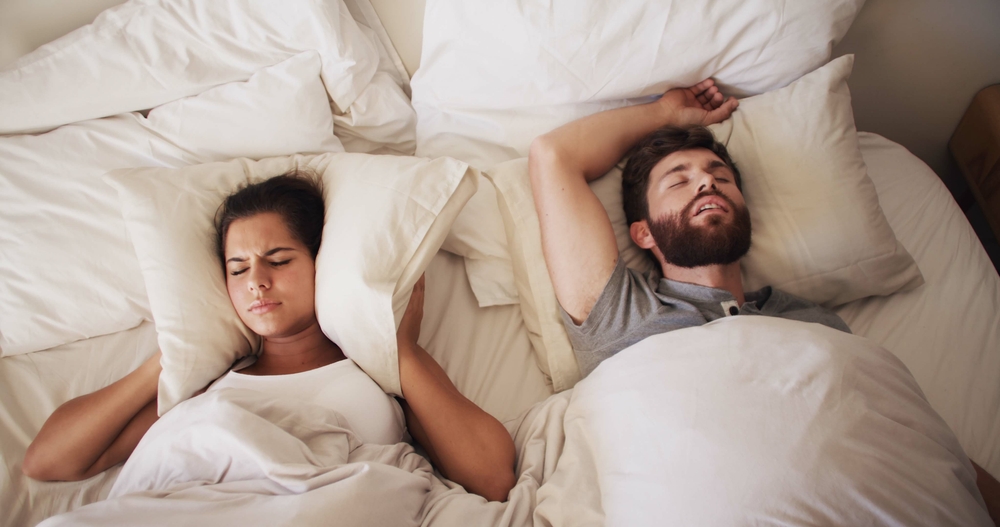
What Happens During Sleep Apnea
During a normal night of sleep, your airway stays open so oxygen flows freely to your lungs. With sleep apnea, the muscles in your throat relax too much, causing the airway to collapse or become blocked. Your brain senses the drop in oxygen and jolts you awake just enough to restart breathing—often without you even realizing it happened. This cycle can repeat dozens or even hundreds of times per night, fragmenting your sleep and leaving you exhausted the next day.
There are different types of sleep apnea, but obstructive sleep apnea (OSA) is the most common. OSA occurs when physical blockages in the airway prevent normal breathing. Central sleep apnea, which involves the brain failing to send proper signals to breathing muscles, is less common but equally disruptive. Either way, your body pays the price when it can’t get the oxygen and rest it needs.
How Sleep Apnea Treatment in Shenandoah Addresses the Problem
Treating sleep apnea starts with understanding what’s causing your symptoms. At Laraway Family Dentistry, we begin with a thorough evaluation of your sleep patterns, medical history, and airway structure. Sometimes we’ll recommend a sleep study to confirm the diagnosis and measure the severity of your condition. Once we know what we’re dealing with, we can recommend the right approach.
Treatment options vary based on your specific situation. Oral appliances work well for many patients, especially those with mild to moderate sleep apnea. These custom-fitted devices reposition your jaw and tongue to keep your airway open while you sleep. Unlike CPAP machines, oral appliances are quiet, portable, and easy to travel with. Most people adjust to wearing them within a few nights.
For patients looking for a non-invasive option that doesn’t involve wearing anything at night, NiteLase offers an innovative solution. This laser treatment uses gentle heat energy to tighten and strengthen the tissues in your throat, reducing the collapse that causes airway obstruction. NiteLase requires no anesthesia, no incisions, and no recovery time. Most patients need three to five sessions spaced a few weeks apart, and many notice improvements in snoring and sleep quality after just the first treatment.
Signs You Need Sleep Apnea Treatment
Many people live with sleep apnea for years without realizing it. They assume their exhaustion is normal or that snoring is just part of getting older. But your body is trying to tell you something when these symptoms show up:
- Loud, chronic snoring that disrupts your partner’s sleep
- Waking up choking or gasping for air
- Persistent daytime fatigue, no matter how long you stay in bed
- Morning headaches or a sore throat upon waking
- Difficulty concentrating or memory problems
- Irritability or mood swings
If your partner mentions that you stop breathing during sleep, that’s one of the clearest red flags. Even if you don’t remember waking up, those interruptions are happening and taking a toll on your health.
Why Oral Appliances and NiteLase Work So Well Together
Some patients benefit most from a combined approach. An oral appliance can immediately improve airflow by repositioning the jaw, while NiteLase strengthens the tissues that tend to collapse. Together, these treatments address both the structural and muscular factors contributing to sleep apnea. This combination often works particularly well for patients who have tried CPAP therapy but found it uncomfortable or difficult to use consistently.
NiteLase sessions take about 20 minutes and involve no pain or downtime. You can return to normal activities immediately after treatment. The laser gently heats the tissue, which stimulates collagen production and tightening over the following weeks. Results build gradually, with many patients reporting significant reductions in snoring and better sleep quality within a month or two.
What Your First Visit Looks Like
We start by listening to your concerns and learning about your sleep history. How long have you been struggling? What symptoms bother you most? Has anyone mentioned your snoring or breathing pauses? These details help us understand the full picture. Next, we’ll examine your airway, jaw alignment, and throat structure to identify potential obstructions.
If we suspect sleep apnea, we may recommend a home sleep test or refer you to a sleep specialist for a formal diagnosis. Once we confirm the condition, we’ll discuss which treatment options make the most sense for your lifestyle and preferences. Some patients want to start with an oral appliance right away, while others are curious about NiteLase and prefer to explore that route first. Either way, you’ll have all the information you need to make a confident decision.
Long-Term Benefits of Treating Sleep Apnea
Getting proper treatment does more than help you sleep through the night. Patients consistently report feeling sharper and more focused during the day. Energy levels improve, mood stabilizes, and productivity at work often increases. Physical health benefits add up too—better blood pressure control, reduced risk of cardiovascular problems, and lower chances of developing diabetes or stroke.
Relationships often improve as well. When you’re not exhausted and irritable all the time, you have more patience and presence for the people around you. Partners appreciate quieter nights without constant snoring, and you’ll both sleep better knowing you’re taking care of a serious health issue.
Take Control of Your Sleep and Energy
If you’ve been struggling with poor sleep, chronic fatigue, or loud snoring, you don’t have to accept it as your new normal. Sleep apnea treatment in Shenandoah gives you options that fit your life and address the real cause of your symptoms. Whether you’re interested in oral appliances, NiteLase, or a combination approach, Laraway Family Dentistry can help you find relief. Call our Shenandoah office to schedule an evaluation and start sleeping better—and living better—starting tonight.